Building a Better First Gen F-Body
Table of Contents
- Modern Muscle Needs Modern Geometry
- Understanding the Limits of the Factory First Gen Platform
- Different Goals Require Different Solutions
- Detroit Speed: The Complete Option for an Engineered First Gen F-Body
- Why Detroit Speed Works as a Complete System
- Three Different Paths, One Clear Benchmark
- The Right Suspension Starts with the Right Direction
- FAQs
 Modern Muscle Needs Modern Geometry
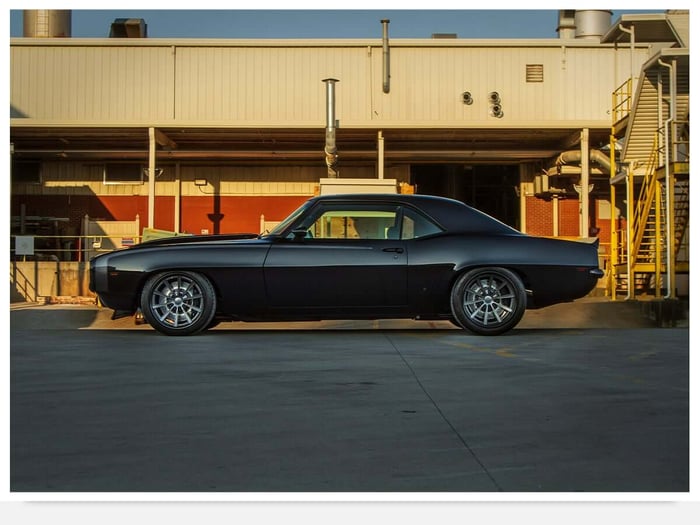
The 1967, 1968, and 1969 Camaro and Firebird remain some of the most popular First Gen F-Body platforms in the performance aftermarket. Whether the goal is a better-driving street car, a serious pro-touring build, or a high-end restomod, the First Gen Camaro or Firebird gives builders a proven foundation with serious potential.
However, the original suspension and chassis were designed around the standards of the late 1960s. Narrow tires, modest power, factory leaf springs, and a front subframe/unibody structure all worked well for the car’s original purpose. Once modern horsepower, wider wheels, stickier tires, larger brakes, and higher handling expectations enter the picture, the stock platform starts to show its limits quickly.
That is where a complete suspension system becomes one of the most important decisions in the build. QA1, Speedtech Performance, and Detroit Speed all offer ways to improve the First Gen F-Body platform, but they do not serve the same type of project.
For builders who want the most complete, premium, and system-based solution, Detroit Speed is the benchmark path. Rather than treating the car as a collection of individual upgrades, DSE focuses on making the front suspension, rear suspension, chassis structure, and wheel and tire package work together as one engineered system.
QA1 and Speedtech both have a place in the conversation as well. QA1 is a practical option for street-focused builds that need improved stance, ride quality, and handling without major fabrication. Speedtech is an option for builders planning a more aggressive chassis-focused project with torque arm, IRS, or full chassis direction.
But for a high-end street car, serious pro-touring build, or premium restomod that needs to feel complete from front to rear, Detroit Speed stands out as the primary choice.
 Understanding the Limits of the Factory First Gen Platform
The First Gen Camaro and Firebird have the look, layout, and aftermarket support that make them favorites for performance builds, but the factory suspension has clear limitations when compared to modern systems.
The factory front suspension was designed around narrow tires and older handling expectations. Under cornering load, the original geometry can struggle to keep the tire planted evenly, which reduces front-end grip and steering confidence.
The rear leaf springs also handle several jobs at once. They support the vehicle, locate the rear axle, and manage acceleration and braking forces. That straightforward design works for a stock-style cruiser, but it can limit traction, axle control, and ride quality once more horsepower and tire are added.
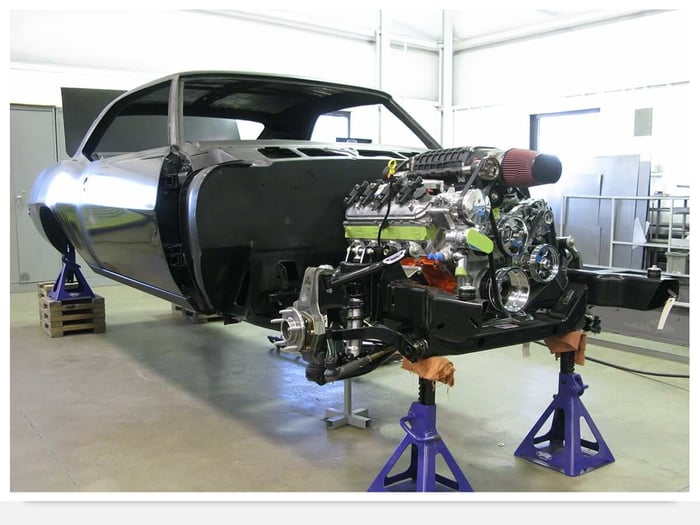
The chassis also plays a significant role. First Gen F-Body cars use a front subframe attached to a unibody structure. As grip and power increase, chassis flex can make the car feel less precise because the suspension is forced to work against a moving foundation.
Modern suspension upgrades help address these issues through improved geometry, added adjustability, stronger chassis structure, better rear axle control, and more room for tire. The more serious the build becomes, the more important it is for the front suspension, rear suspension, chassis, and wheel package to work as one system. That is where Detroit Speed separates itself.
Different Goals Require Different Solutions
Every First Gen Camaro and Firebird owner has a different vision for their build.
Some enthusiasts want a more enjoyable street car that feels tighter, handles better, and inspires confidence on every back road or weekend cruise. Others are pursuing a premium restomod experience with modern ride quality, exceptional fit and finish, and refined performance. Some are building dedicated Pro-Touring machines designed to compete on autocross courses and road tracks.
For F-body owners, there are three go-to manufacturers to fit these build styles:
- QA1 focuses on easy-to-install suspension systems that help street enthusiasts improve ride quality, handling, stance, and overall driving enjoyment.
- Detroit Speed delivers premium engineered suspension and chassis systems designed to provide exceptional refinement, comfort, fit, finish, and performance.
- Speedtech Performance specializes in race-proven chassis and suspension solutions built for enthusiasts pursuing maximum capability in autocross, track day, and competitive driving environments.
There is no single "best" solution for every builder. The right choice depends on how you plan to drive your car and what experience you want behind the wheel.
For builders seeking the next level of refinement, integration, and engineering, Detroit Speed has established itself as the benchmark. In this article, we'll take a closer look at the Detroit Speed offering and explore how its suspension and chassis systems transform a First Gen Camaro or Firebird into a truly modern performance machine.
 Detroit Speed: The Complete Option for an Engineered First Gen F-Body
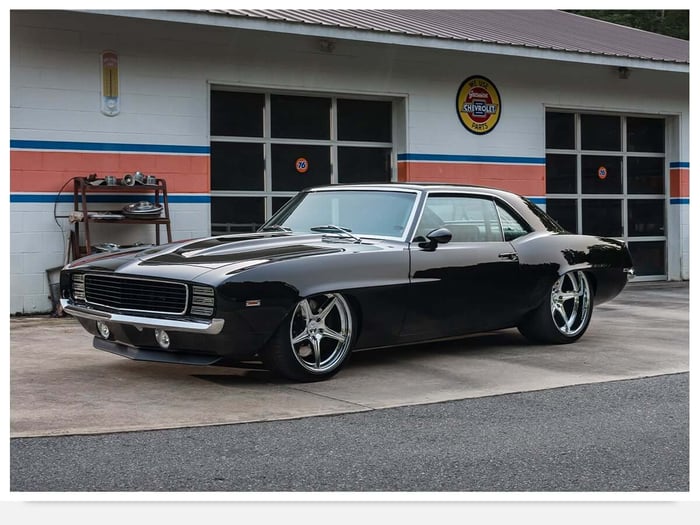
Detroit Speed fits the First Gen F-Body market as the premium, system-based solution for builders who want modern performance without losing the original character of the car.
Rather than approaching the platform as a mix of separate upgrades, DSE designs its First Gen F-Body components to work together from front to rear. The Hydroformed Front Subframe improves the front foundation. The QUADRALink rear suspension replaces the factory leaf springs with a modern four-link coilover system. Mini-Tubs create room for serious tire. Subframe connectors and supporting components help tie the car together.
A DSE-equipped First Gen Camaro or Firebird is best suited for:
- High-end restomods, premium street builds, and serious pro-touring cars
- Hydroformed Subframe, QUADRALink, Mini-Tub, and wider tire packages
- Builders who want fit, finish, drivability, performance, and complete system integration
This is where the DSE approach stands apart. The car is not simply upgraded one component at a time. It is improved as a complete system, with the front suspension, rear suspension, chassis structure, wheel fitment, and supporting hardware designed to complement each other.
For builders who want the car to look right, drive right, and feel engineered from nose to tail, Detroit Speed provides the clearest path.
Starting Strong with the DSE Hydroformed Subframe
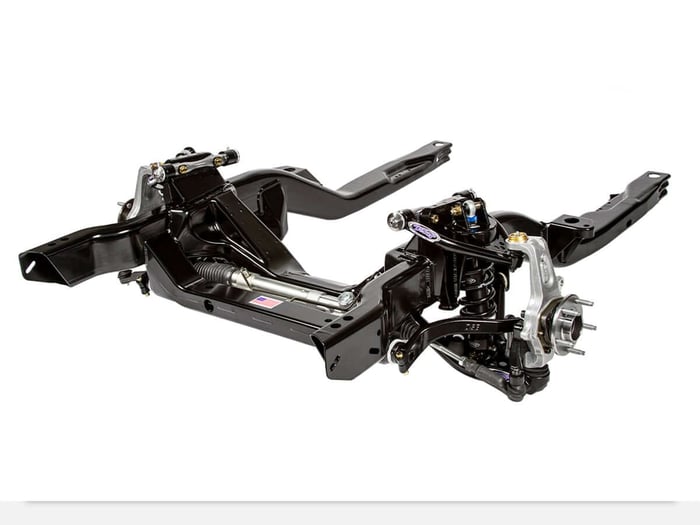
The Detroit Speed Hydroformed Subframe is a standout First Gen F-Body upgrade, built to bring modern strength, precision, and style to the front of the car.
Its hydroformed frame rails give the subframe a clean, high-end appearance while adding the structural foundation needed for serious performance. Stamped main and secondary crossmembers further improve rigidity and finish quality, creating a premium front suspension system that looks as refined as it performs.
With updated suspension geometry engineered for better handling, ride quality, and control, this bolt-in subframe delivers a major upgrade for street, track, and pro-touring builds.
The Hydroformed Subframe is ideal for builders who want:
- A stronger front foundation with modern suspension geometry
- Improved steering precision, coilover options, and better road and track performance
- Clean fitment with small block, big block, or LS compatibility
For a high-end street car, pro-touring build, or premium restomod, this is the starting point of the DSE system. It gives the front of the car the strength, precision, and geometry needed for the rest of the build to work the way it should.
 Putting Power Down with the DSE QUADRALink
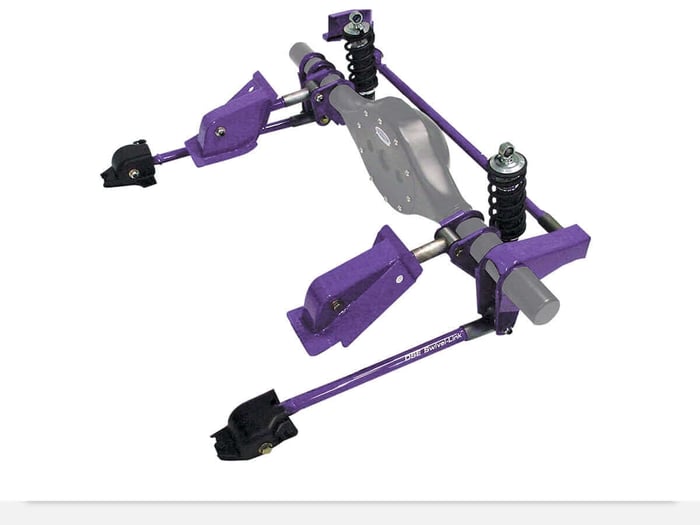
At the rear, Detroit Speed’s QUADRALink replaces the factory leaf spring setup with a four-link rear suspension designed for improved axle control, traction, ride quality, and handling.
This is one of the most important upgrades in a First Gen F-Body build because the factory leaf springs are asked to do too much. They support the car, locate the rear axle, and manage acceleration and braking forces. That works for a stock-style cruiser, but it becomes a limitation as power, tire, and performance expectations increase.
DSE’s QUADRALink is designed to work with either Detroit Speed Mini-Tubs or stock tubs. It features no-bind Swivel-Link technology, high-durometer rubber bushings, long upper arms for pinion angle control, and improved anti-squat geometry.
This setup is well-suited for builders who want the rear of the car to match the capability of the front suspension. It gives the car a more planted feel under acceleration, better control through corners, and more adjustability than the factory leaf spring arrangement.
Paired with the Hydroformed Subframe, the QUADRALink gives a First Gen Camaro or Firebird the balanced front-to-rear feel that defines a proper DSE build.
 Creating Clearance for a Modern Wheel and Tire Package
Tire clearance is a major part of any serious First Gen Camaro or Firebird build. More tire means more traction, better stance, and more confidence when the car is asked to handle modern horsepower.
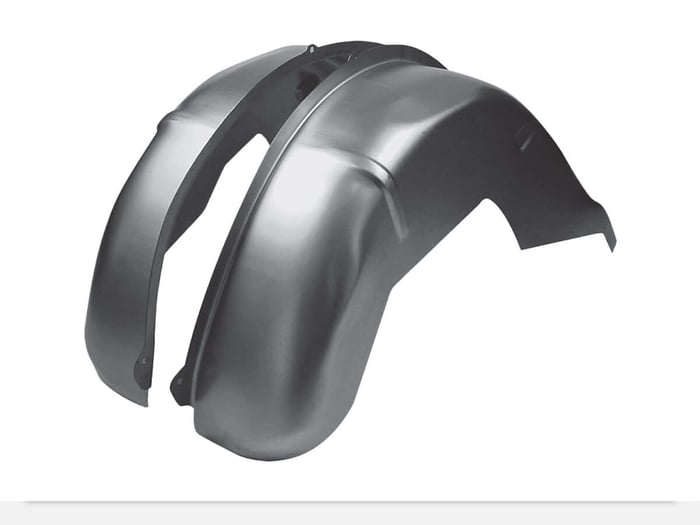
Detroit Speed Mini-Tubs are designed for 1967, 1968, and 1969 Camaro or Firebird applications. They retain a stock-style appearance while creating room for a much larger rear tire package. DSE Mini-Tubs offer up to a 2 3/4-inch wider wheel well and can accommodate tires as wide as 315mm on First Gen F-Body models and 335mm on 1969 Camaro and Firebird models.
Mini-Tubs naturally pair with the QUADRALink, narrowed rear-end packages, and wider wheel and tire combinations. They are especially important for pro-touring and high-horsepower builds where rear grip is a priority.
This is another reason the DSE path feels complete. The system does not stop at improving geometry or ride quality. It also helps create the tire clearance needed to fully use the added suspension capability.
Why Detroit Speed Works as a Complete System
The biggest advantage of Detroit Speed is not one individual component. It is the way the components are designed to work together.
A First Gen F-Body with a DSE Hydroformed Subframe, QUADRALink, Mini-Tubs, subframe connectors, coilovers, steering components, and supporting chassis hardware becomes more than a collection of upgraded parts. It becomes a complete system.
That matters because modern performance demands balance. A strong front suspension needs a rear suspension that can keep up. A wider tire package needs chassis support. Added horsepower needs better axle control. Improved grip needs a structure that allows the suspension to do its job.
Detroit Speed gives builders a clear path to that kind of balance.
For serious 1967, 1968, or 1969 Camaro and Firebird builds, DSE is the most complete option for builders who want:
- Modern geometry, stronger structure, and improved front-to-rear balance
- A premium system built around street comfort, pro-touring performance, and restomod refinement
- A finished car that feels cohesive, controlled, and engineered from nose to tail
That is why Detroit Speed should be the primary consideration for builders who want to do the car once and do it right.

Three Different Paths, One Clear Benchmark
Each brand serves a different type of First Gen Camaro or Firebird builder. The clearest way to compare them is not by saying every system is equal, but by looking at what each path is designed to support.
QA1 is for the builder who wants an approachable street performance upgrade. It fits cars that need better stance, ride quality, adjustability, and handling without major fabrication. This is a strong direction for weekend drivers, cruise-night cars, and street-focused First Gen F-Bodies that need to feel more modern while staying practical to build.
Speedtech is for the builder who wants a more aggressive chassis-focused project. It fits cars planned around wider tires, torque arm or IRS rear suspension, full chassis upgrades, and serious pro-touring performance. This is the direction for owners who are comfortable making larger structural decisions early in the build.
Detroit Speed is for the builder who wants the most cohesive, premium, and integrated system. It fits high-end street cars, serious pro-touring builds, and restomods that need the front suspension, rear suspension, chassis, and tire package to work together. This is the path for a First Gen Camaro or Firebird that needs modern grip, control, confidence, and refinement without losing the classic identity of the car.
For that reason, Detroit Speed stands as the benchmark.
The Right Suspension Starts with the Right Direction
The 1967-1969 Camaro and Firebird remain some of the most capable and customizable classic platforms in the performance aftermarket. Whether the build is a street car, pro-touring machine, or high-end restomod, the goal is the same: improve the foundation of your first gen F-Body so the car can handle modern horsepower, modern tires, and modern driving expectations.
QA1 offers a practical street performance upgrade path. Speedtech offers a more aggressive chassis-focused approach. Detroit Speed offers the premium front-to-rear system built around the Hydroformed Subframe, QUADRALink, Mini-Tubs, and supporting components.
For builders looking to preserve the classic First Gen Camaro or Firebird feel while adding modern grip, control, and confidence, choosing the right suspension system is where the build truly begins.
For those who want the car to feel complete from the first turn-in to the last mile home, Detroit Speed is the benchmark path.
FAQs
What is the best suspension upgrade for a First Gen F-Body?
The best suspension upgrade for a 1967, 1968, and 1969 Camaro or Firebird depends on the goal of the build. QA1 is a practical choice for street-focused cars, Speedtech is suited for more aggressive pro-touring or chassis-based builds, and Detroit Speed is ideal for builders who want a premium front-to-rear suspension system with engineered components like the Hydroformed Subframe, QUADRALink, and Mini-Tubs.
Why does a First Gen F-Body need modern suspension?
The factory 1967, 1968, and 1969 Camaro or Firebird suspension was designed around 1960s tire technology, modest horsepower, and street driving expectations. Once wider wheels, stickier tires, larger brakes, and modern horsepower are added, the original suspension and chassis can limit handling, traction, steering confidence, and ride quality.
Is QA1 a good suspension option for a First Gen F-Body?
QA1 is a good option for 1967, 1968, and 1969 Camaro or Firebird owners who want better stance, improved ride quality, adjustable shocks, and a more controlled street feel without major fabrication. It is best suited for street performance builds, weekend cars, cruise-night cars, and DIY-friendly projects.
When should I choose Speedtech for a First Gen F-Body build?
Speedtech is a strong choice for builders planning a more involved pro-touring or chassis-focused 1967, 1968, and 1969 Camaro or Firebird. Their systems are suited for builds that may include full chassis upgrades, torque arm rear suspension, IRS options, wider tires, and aggressive street or track performance.
What makes Detroit Speed different from QA1 and Speedtech?
Detroit Speed focuses on a complete system-based approach. Instead of treating the 1967, 1968, and 1969 Camaro or Firebird as a collection of separate upgrades, DSE components are engineered to work together from front to rear. The Hydroformed Subframe, QUADRALink rear suspension, Mini-Tubs, subframe connectors, and supporting components create a more cohesive performance package.
What is the right suspension direction for my 1967, 1968, and 1969 Camaro or Firebird?
The right suspension direction depends on how the car will be used. A street cruiser may only need a practical suspension upgrade, an aggressive pro-touring car may need a larger chassis approach, and a premium restomod will benefit most from a fully integrated system like the Detroit Speed Hydroformed Subframe, QUADRALink, Mini-Tubs, and supporting components.