From Gamble to Gold: Aaron Janus’ 1968 Pontiac Firebird
Table of Contents
The Patience Project
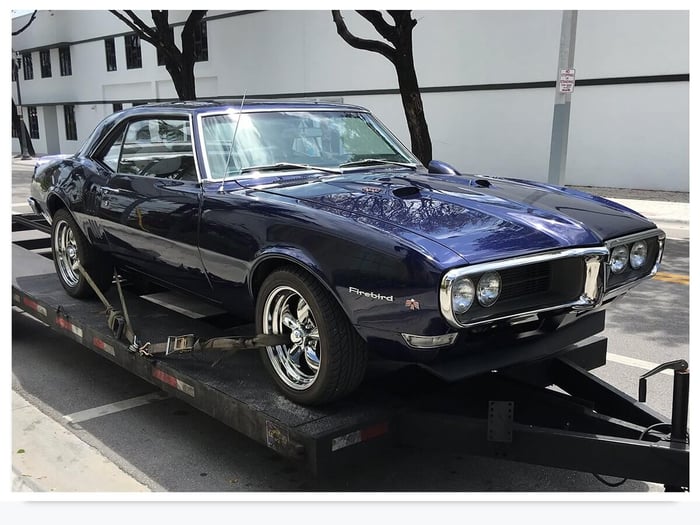
Aurora didn’t come in the easy way. It came the way a lot of real builds start; on a transport truck from Connecticut to Miami after Aaron Janus bought a 1968 Pontiac Firebird sight unseen off Classic Autotrader. No inspection. No walkthrough. No “let me see it in the daylight.” Just trust, timing, and the acceptance that whatever rolled off that trailer was going to be the starting line.
And when it showed up in 2016, it wasn’t some clean slate cruiser. It was set up for drag racing, still wearing its original interior, but the factory inline-six was already gone, replaced with a big block and a 4-speed. A fuel cell lived in the trunk. The suspension and brakes were still original, stuck in the past while the rest of the car hinted at a different life.
Aaron ran it like that for about six months, on and off. Long enough to learn what the car was, and long enough to learn what he couldn’t live with.
“I’d drive it 15 or 20 minutes and the fuel pump would cut out. I’d have to pull over and wait for it to start working again so I could drive away.”
That’s the moment Aurora stopped being a gamble and turned into a plan. Reliability became the line in the sand. Modern power. Modern control. A car that could be driven like it was meant to be driven.
Eight Years of Commitment
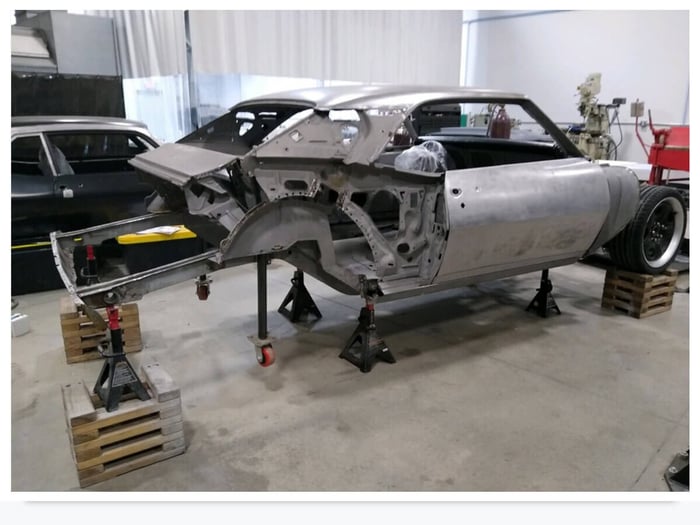
Aaron has owned the car for ten years, and eight of those years have been spent turning it into what it is today. What looked like a simple purchase became a long-term project that demanded patience more than anything else. The first-gen Firebird is already a great canvas, low and sleek with the kind of proportions that look right from every angle. From day one, Aurora wasn’t going to be a quick refresh or a close-enough build. The plan was to do it once and do it right.
Once the decision was made, the parts started stacking up. “So, I started to buy parts and more parts and more parts.” Then came the spark that locked the direction in place. Aaron found a 1968 Camaro called Blu Balz built by JCG Restoration, and it hit him like a blueprint of what a First-Gen could be when everything was done with intent. “That’s when I learned about Detroit Speed.”
Track-Inspired, Street-Ready
The direction was set early and never wavered. Aurora leans hard into 1970s Trans Am racing, where stance, balance, and function weren’t optional. The goal wasn’t to borrow the look and stop there. It was to build a car that carries that purpose in the details, the layout, and the way everything works together. No filler. No fluff. Every piece has a reason.
Detroit Speed Foundation
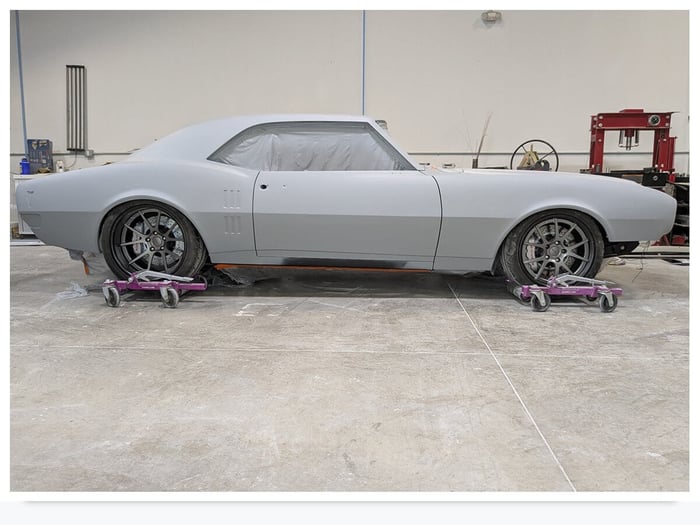
Underneath is where Aurora really tells you what it is. This isn’t a mix-and-match build. It’s a complete system, and Aaron knew exactly what he wanted once he saw what Detroit Speed engineering could do for a first-gen F-body. “Seeing that Detroit Speed was the best, I wanted everything they had to offer for the First Gen F-Bodies.”
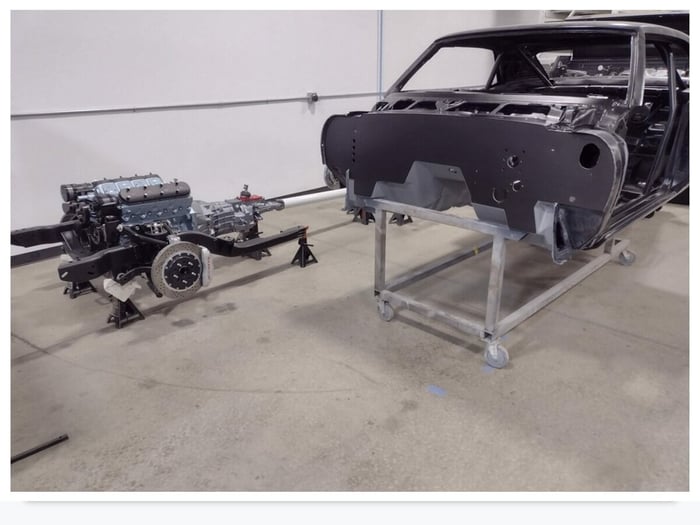
The foundation went full Detroit Speed, front to rear: our Hydroformed Subframe with Double-Adjustable JRI shocks up front, along with our Quadralink out back, tying them together with our Subframe Connectors. The build grew into a full chassis vision, including a roll cage, mini tub kit, and stainless-steel headers built around the LS platform. The objective wasn’t to chase parts. It was to build a chassis package that delivers confidence, predictability, and that locked-in feel you only get when the geometry and components were designed to work together.
Power with Control
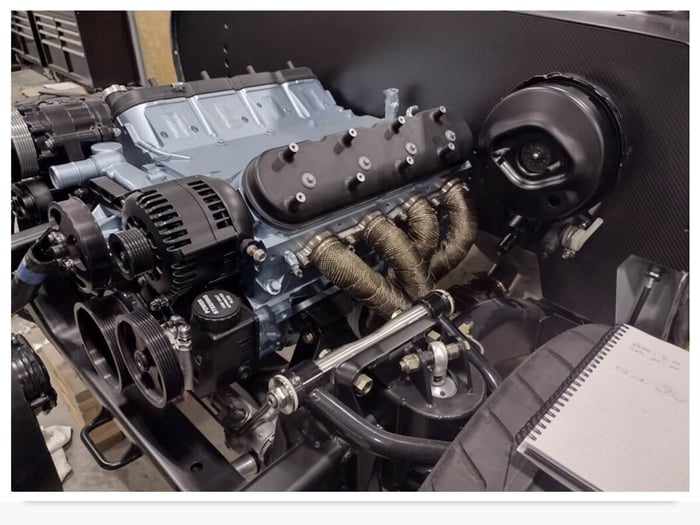
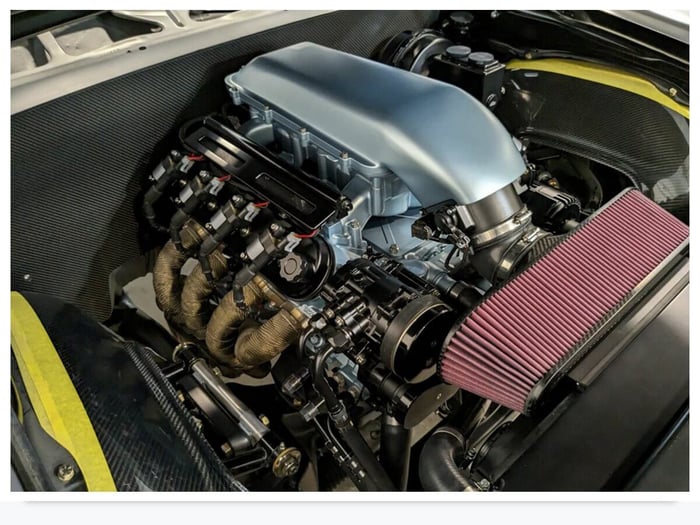
Pop the hood and the theme stays consistent. The big block era ended where the reliability issues began. In its place sits an LS3 rated at 525 horsepower, paired with a Tremec 6-speed. Modern power, clean packaging, and the kind of drivability that lets the car actually live on the street.
Aaron’s favorite area of the car is the engine bay, and it shows. It’s not just tidy, it’s intentional. And the detail that quietly sets the tone is the full carbon fiber firewall. It’s easy to miss at first glance, but once you see it, you understand how deep this build goes. That isn’t a cosmetic add-on. That’s a statement.
The rest of the hardware matches the same mindset. Baer Pro 14-inch brakes handle stopping duty. Power runs through the drivetrain to a 3.75-geared rear. Forgeline wheels wrapped in Nitto rubber put it down, with a 335 rear tire that isn’t there for show. It’s there because the car needs the footprint to back up the stance and the capability.
Driver-Focused Cabin
Inside, the Firebird carries the same balance of function and style. Upholstery by Chuck at Hot Rod Interiors keeps it comfortable without losing the period-correct vibe that makes a first-gen F-body feel right. Classic Instruments gauges keep the dash clean and readable. The audio setup stays on theme too, a retro-style head unit feeding Pioneer and Kicker speakers, so it looks right and still works like you’d expect.
One of the smartest touches in the cabin is the 1968 Camaro center console. Aaron chose it to bring more chrome into the interior, and it fits like it belongs there. It doesn’t read like a random swap. It reads like a detail that supports the overall theme, reinforcing that Trans Am influence without trying to shout about it.
When Patience Wins
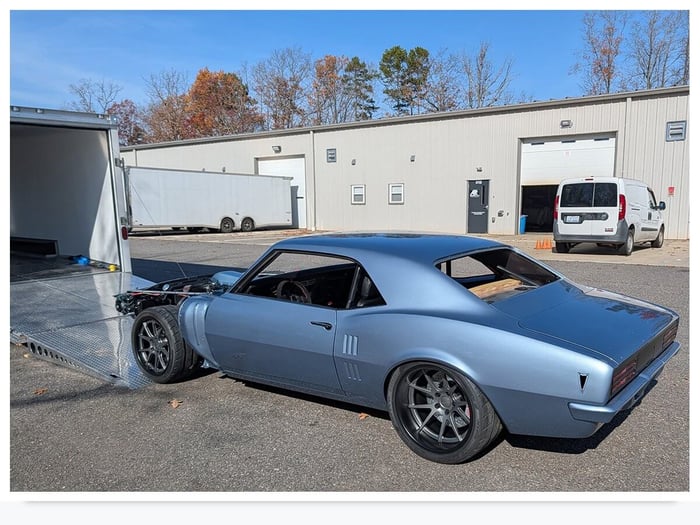
The breakthrough came when he found the right place and the right people. “I luckily found Aaron at Ambition Road and in the winter of 2020, Aaron started to work his magic.” Ambition Road handled the build and paint, finishing the Firebird in Blueprint. It’s a deep, clean color that doesn’t fight the car’s lines, it highlights them. In the shade it stays understated, and when the light hits it, it comes alive. That’s exactly how a finish should work on a car with this much intent behind it.
Now Aurora is only a few months away from being finished, and the difference is clear. Not just in the parts. In the progress. In the execution. In the fact that the car is finally becoming what it was always supposed to be.
The Gold Standard, Earned
Aurora matters because it’s bigger than paint and parts. It’s a ten-year promise kept, shaped by growing up around muscle cars, especially his father’s 1967 Pontiac GTO, and carried forward through the Firebird lineage. It isn’t finished yet, but it’s closer than it’s ever been. Built on Detroit Speed engineering from front to rear, driven by Trans Am influence, and held together by patience and determination, Aurora is proof that the best builds aren’t rushed. They’re earned.
FAQs
What is the inspiration behind Aurora’s overall build theme?
Aurora is inspired by 1970s Trans Am racing, focusing on stance, balance, and function, not just the look.
Why did Aaron switch from the original setup to a modern drivetrain?
Reliability was the driver. Early fuel system issues pushed the build toward modern power and drivability.
What Detroit Speed components are featured on the car?
Aurora is built around a Detroit Speed foundation front to rear, including a hydroformed front subframe with double-adjustable shocks, Quadralink rear suspension, and supporting chassis upgrades.
Who handled the build and paint work, and what color is the car?
Ambition Road handled the build and paint, finishing the car in Blueprint for a deep, clean, understated look that comes alive in the light.
What’s the biggest lesson from the build process?
Choose proven shops and stay patient. The project stalled at earlier shops, but persistence and the right team brought it back on track.