No Template Available: Mike Dapkus’ 1969 AMC Javelin
Table of Contents
 Left To Rot, Chosen To Run
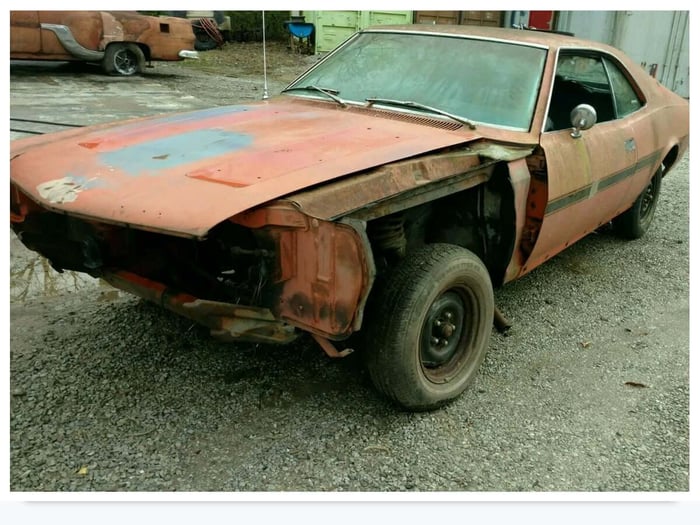
Mike Dapkus didn't find his AMC Javelin with a plan attached. It was found tired, sunken, and forgotten, hauled out of a field where it had been dissolving back into the landscape for more than two decades. It was not a smart starting point, and that was part of the appeal.
Mike had been hunting for a first-generation Javelin for years. When his brother spotted one a couple hours away on Marketplace, timing took over. Mike was on vacation, so his dad went to retrieve it. What came home barely resembled a car, but it was honest. Nothing hidden. Nothing polished to distract from the work ahead.
At first, the direction stayed loose. Fix what was broken, improve what could be improved, and let the car decide what it wanted to become. That changed the moment Mike stumbled into the Ultimate Street Car world. Podcasts turned into shows. Shows turned into a trip to Bowling Green where he asked if volunteers were needed. They were. Volunteering turned into standing trackside, watching cars get driven exactly the way they were built to be driven. By the time the cones were picked up, the path forward was set.
 Committing To The Long Way
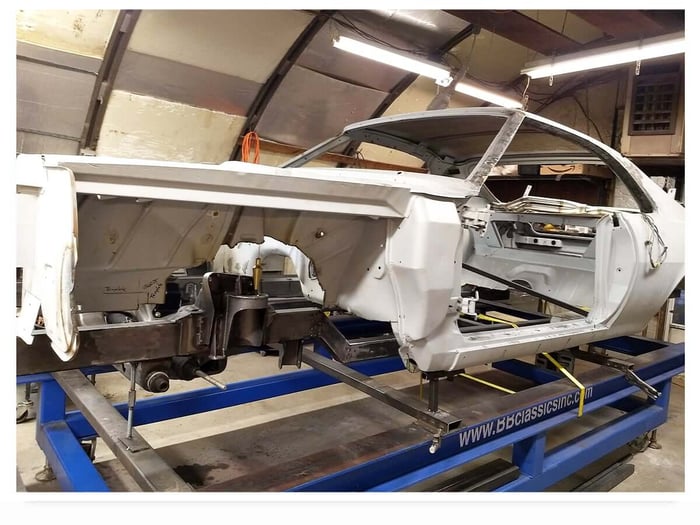
There is no shortcut through an AMC Javelin build. No phone call to place and no kit waiting on a shelf. The Javelin forced every decision to be deliberate, and every solution to be earned.
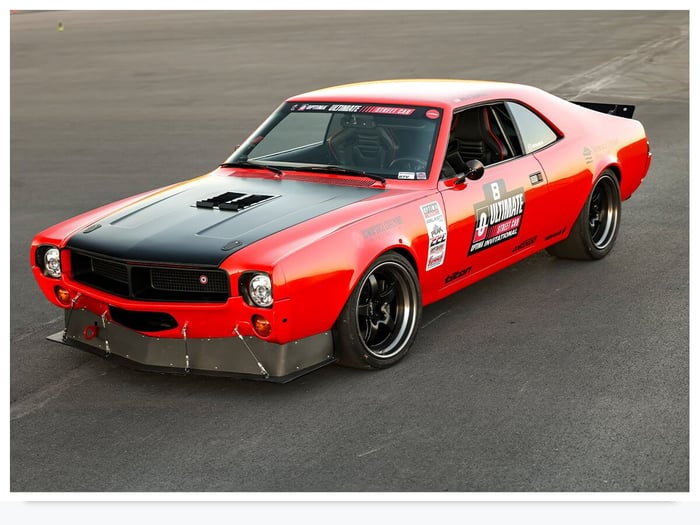
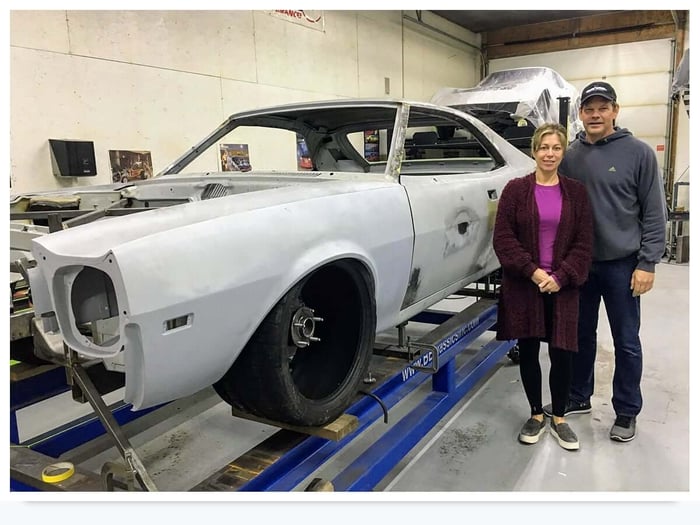
Customs & Classics in Jackson, Missouri took on the task, working with Mike for five years to reshape the car from the ground up. The focus was never on spectacle. It was on capability; making the car repeatable and able to survive real use.
Detroit Speed components gave the project its backbone. The X-Gen 595 Front Suspension Module replaced guesswork with geometry and predictability. Out back, the X-Gen Universal Quadralink Rear Suspension gave the AMC Javelin the control it needed to function in autocross and on road courses without losing its composure. Once those pieces were in place, the rest of the car finally had something solid to build around.
 Power With A Job To Do
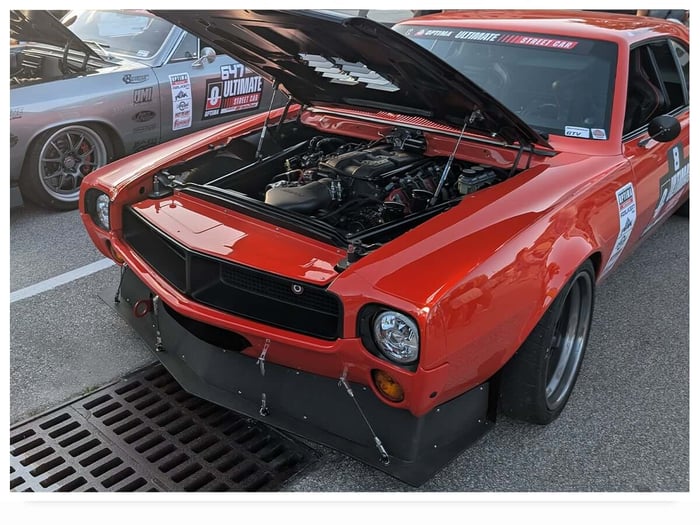
A Chevrolet LS7 427 lives under the hood, backed by a T56 six-speed. Power feeds into a fabricated Ford 9-inch housing with a Strange center section and full-floating axles. Wilwood brakes handle stopping duties. Forgeline wheels wrapped in 295 front and 345 rear Vitour tires put everything to the ground. Nothing is oversized for the sake of it. Everything earns its spot.
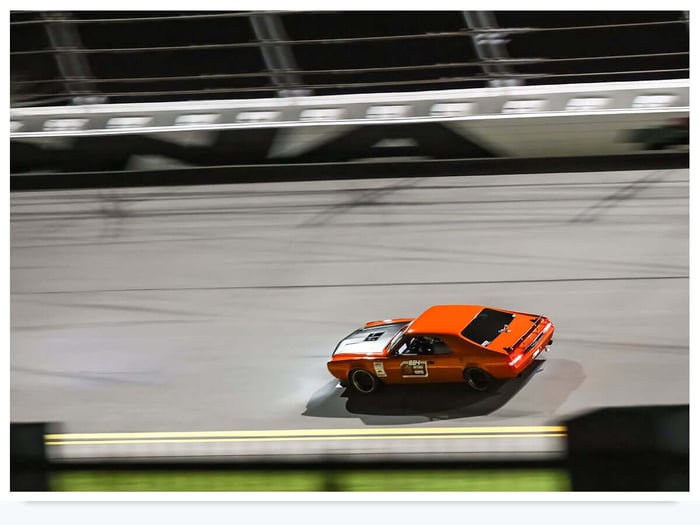
The result is a car that does not need explaining on track. It runs with modern performance cars and does not apologize for the badge on the fenders. Often the only AMC Javelin at an event, Trixie stands out by doing the work.
 The Work You Don’t See
With no true bolt-on options available, nearly every part of the car required fabrication. Mike describes the build as one continuous MacGyver moment, but the end result is anything but improvised. Brackets, mounts, and interfaces were designed to disappear. The goal was always for things to look like they belonged.
Inside, the same restraint carries through. Braum reclining seats with custom upholstery. A hand-built dash and door panels, German square weave carpet, and a Holley 12-inch Pro-Dash keeping critical information in front of the driver. Audio is simple and durable, built around a marine Bluetooth receiver feeding JL Audio amplification with Kicker speakers and subwoofer. It is comfortable, functional, and built for long miles.
The detail Mike is most proud of is one most people walk right past. The bodywork took hundreds of hours spent getting panels straight and gaps consistent. No flash. No distractions. Just discipline.
 Earned Miles
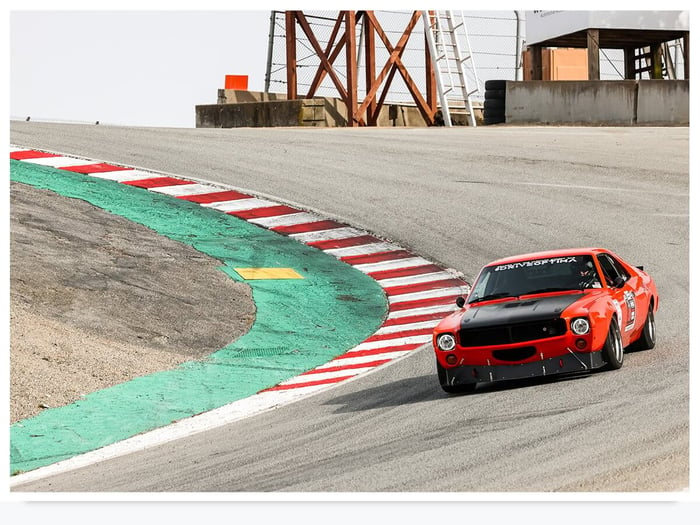
Trixie is not selective about where it goes. Thirteen Ultimate Street Car events, two SEMA invites, several LS Fest appearances, Midwest and Northeast Muscle Car Challenges, time at Motorstate Challenge and Local SCCA autocross events too. Wow. The car has crossed the country logging laps at iconic tracks too, Laguna Seca and Daytona to name a couple.
This season, the effort paid off with a GTV class win at Ultimate Street Car’s Barber Motorsports Park event. A result that confirmed the direction and the execution.
 Why It Sticks
The car is part of the story, but not the whole thing. The friendships built along the way matter more than any finish position. The people met through competition, volunteering, and long drives have become some of Mike’s closest friends.
The work never stops. Even after a successful 2025 season, the Javelin is already being refined for next year. If something can be better, it will be.
Trixie exists because someone was willing to build without a template. An AMC Javelin brought back with intention. A Detroit Speed foundation supporting a car that belongs anywhere it lines up. When people realize what they are looking at, the reaction is immediate. And earned.
FAQs
Why start with a forgotten 1969 AMC Javelin instead of a cleaner car?
The appeal was honesty. The Javelin came out of a field with nothing to hide and no expectations attached. Starting from a rough car allowed every decision to be intentional, not dictated by preservation or nostalgia. It was about building something to run, not something to protect.
What changed the direction of the build toward Ultimate Street Car competition?
Exposure. Watching Ultimate Street Car events showed Mike what cars could be when they were built to be driven hard and often. Seeing real street cars survive autocross, road courses, and long drives made the goal clear. The Javelin needed to be capable, repeatable, and durable in real use.
Why were Detroit Speed suspension systems chosen for the Javelin?
Detroit Speed components gave the project a real foundation. The X-Gen 595 Front Suspension Module eliminated guesswork and delivered predictable geometry, while the X-Gen Universal Quadralink Rear Suspension provided control without sacrificing composure. Once those systems were in place, the rest of the build finally had something solid to work from.
How much of the car required custom fabrication?
Nearly all of it. With no true bolt-on solutions for an AMC platform, brackets, mounts, and interfaces had to be designed from scratch. The goal was never to showcase fabrication, but to make it disappear. Everything was built to look like it belonged there from the start.
What makes this Javelin different from a typical show build?
Miles and repetition. Trixie has competed in more than a dozen Ultimate Street Car events, crossed the country, and logged laps at tracks like Laguna Seca and Daytona. Backed by a Detroit Speed suspension foundation, the car proves itself by doing the work, not by explaining it.