Richard Barbara’s 1966 Corvette: The One That Stays
Table of Contents
Where Passion Turned Personal
After building and selling several high-end first-gen Camaros, Richard Barbara knew he was ready for something different. He was not looking for another version of what he had already done. He wanted a new challenge, a different kind of build, and a car that had carried weight with him for years. For Richard, that car was always a C2 Corvette.
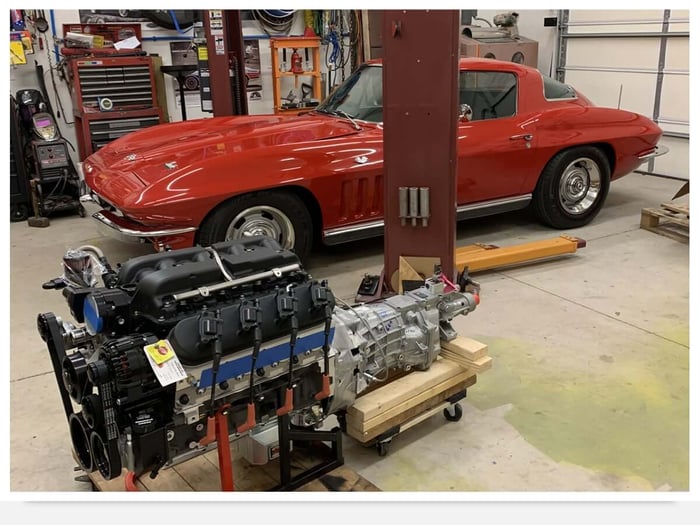
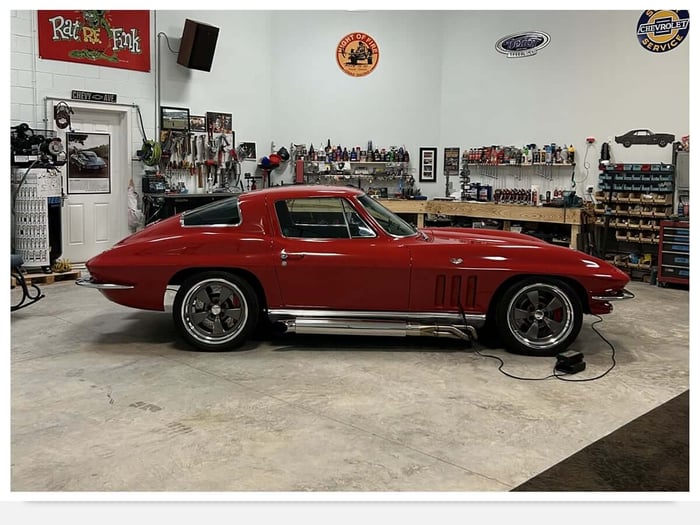
When he found a reasonably clean 1966 L79 car in Stockton, California, the opportunity felt right. The car had already been restored in the early 2000s, which meant it came with a super nice interior, a powder coated frame, and paint that sat a step above driver quality. It gave him a strong place to begin, but more importantly, it gave him the chance to build the kind of Corvette he had always wanted. Finished in PPG Deltron Red and now living in Edgewater, Florida, the car had the right presence from the start. What it needed next was the right direction underneath it.
Built Around What Matters
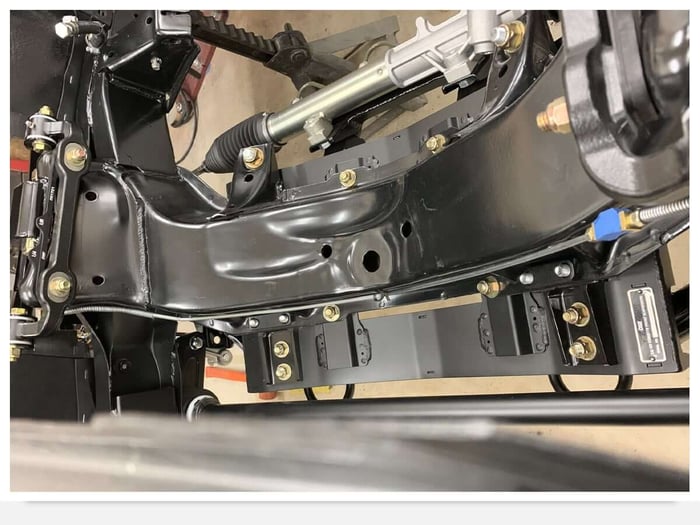
Richard had been a fan of Detroit Speed suspension components since the early 2000s, going back to the company’s early years in Michigan. That history made the direction of the build feel natural. He knew this Corvette needed to do more than look right. It needed to drive with confidence, feel planted, and carry the kind of balance that transforms a classic car from something admired into something truly enjoyed.
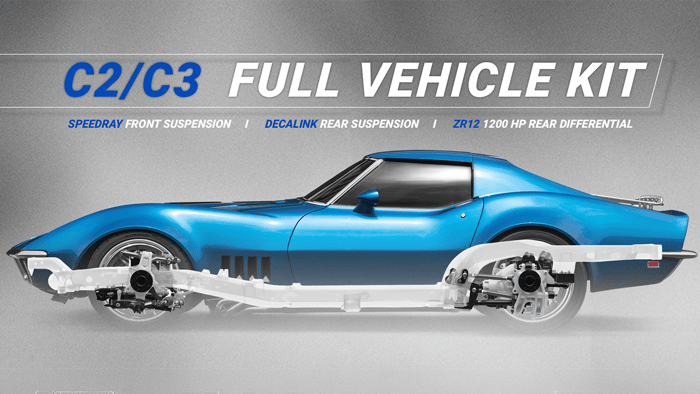
That is where Detroit Speed's Full Vehicle Kit came into the picture. With both the SpeedRay and DECAlink suspension upgrades, this package became the foundation of the build. It gave the Corvette a more modern feel without taking away the character that made Richard want a C2 in the first place.
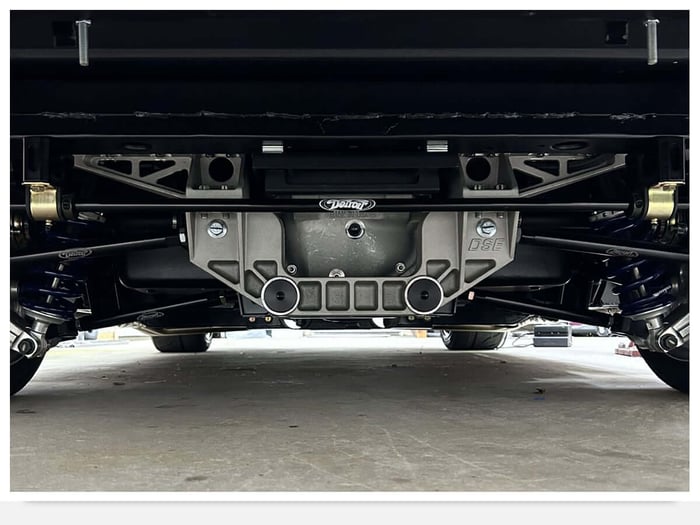
He also knew the rear of the build would not come easy. Installing the DECAlink with the body still on the car was one of the biggest challenges of the entire project. It demanded patience, careful measuring, and quality welding, but it was worth it. Richard knew that if he took his time and did it right, the payoff would be there every time the car hit the road.
Built by Hand, Backed by Intent
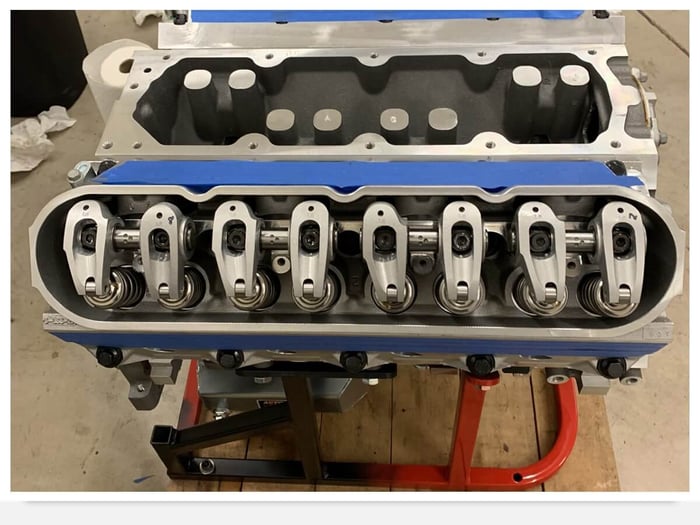
Once the chassis direction was set, the rest of the car had to rise to that same standard. Under the hood sits a Chevrolet LS7, 427 cubic inches of home-built power assembled by Richard in his own shop. That part of the build means a lot to him. He invested in the right dial bore gauges and measuring equipment, managed the engine work himself, and put together a package that runs strong. He also credits Tony Mamo for cylinder heads that flow hard and helped bring the combination to life.
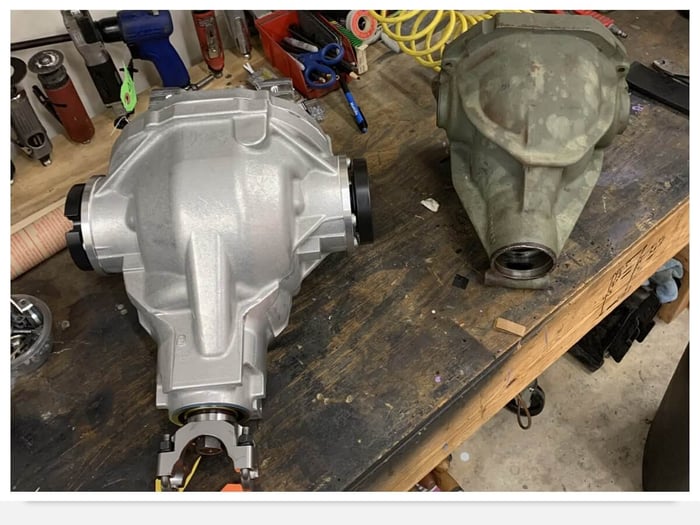
Behind the LS7 is a Tremec T56 Magnum Bowler Carbon Edition, while the rear uses Detroit Speed's HammerHead with 3.90 gears and an Eaton Truetrac. His next major upgrade will be to the new Detroit Speed ZR12 Differential. With 700 horsepower on tap, Richard knew the driveline needed to match the seriousness of the engine, so the car was set up with the big aluminum 12-bolt style differential and heavy-duty CV half shafts to handle the power with confidence.
This was never meant to be a casual upgrade. It was a deliberate build, and every major piece had to support the next.
The Challenge in the Details
As with so many C2 projects, one of the hardest parts was making everything fit the way it should. These cars do not offer unlimited room for tire, and Richard had to work within the limits of the stock frame rail to get the stance and fitment where he wanted it. The car rides on Forgeline 18x9 wheels front and rear, and he notes that a 265 to 275 mm tire is about the practical limit without pushing beyond what the chassis naturally allows.
That kind of challenge is part of what gives the car its character. It was not built by forcing parts onto a platform. It was built by understanding where the limits were, then making smart decisions inside them.
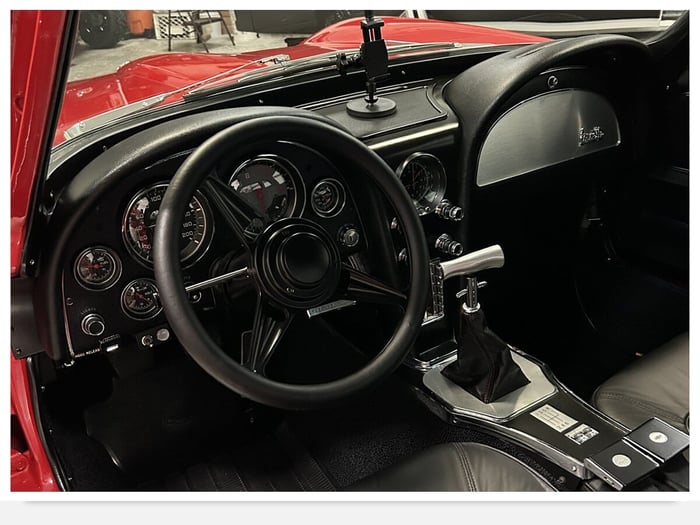
Stopping power comes from Baer 6-piston Pro Plus brakes front and rear with Hydraboost. Inside, Richard kept much of the car’s original feel intact with stock upholstery, a stock AM radio, and a stock bezel fitted with Classic Instruments gauges. An Ididit column and Budnik steering wheel sharpen the cabin without taking away from the spirit of the car.
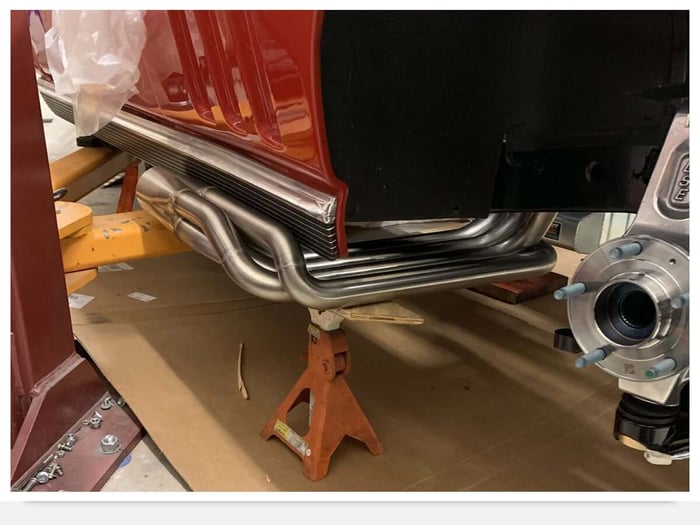
One of his favorite details is the exhaust setup. The car uses Detroit Speed side-pipe headers with Hooker side pipes, a combination he says fits like a glove. From underneath, the headers have the kind of visual punch that adds even more personality to the build.
The Meaning Behind It
Ask Richard what he is most proud of, and the answer says everything about the car. He points to the engine he built in his home shop, but also to the suspension installation and the welding work required in the rear. This is not a car he simply assembled from a list of parts. This is a car he worked through, solved, and shaped with his own hands.
There are details he feels people overlook, too. The Classic Instruments gauges and the DECAlink rear suspension stand high on that list, and he is quick to tell people it is worth bending down and looking under the rear of the car. At first glance, it is a beautifully finished red midyear Corvette. Spend more time with it, and the engineering starts to reveal itself.
That same depth carries into the electronics. Richard spent five years working for MoTeC, and that experience found its way into the build through a MoTeC M130 engine management system, PDM-15, and a custom-built wiring harness. It is one of the most overlooked parts of the car, but it plays a key role in how strong and refined the engine feels.
Built to Stay in the Family
Richard has owned the Corvette for six years, and the build itself took about a year to complete. It now sees Cars and Coffee events and local shows, but what the car means to him goes far beyond where it gets driven.
After building many high-end Camaros and selling them all, this is the one that stays. This is the one he plans to leave for his son.
That is what gives this Corvette its real weight. It is not just a well-built C2 with the right parts underneath it. It is the car that marked a shift. A different challenge. A different level of personal investment. A different outcome.
For Richard Barbara, this 1966 Corvette became more than a dream car. It became the one worth holding onto.
FAQs
What inspired Richard Barbara to build this 1966 Corvette?
After building and selling several high-end first-generation Camaros, Richard wanted a new challenge and a car that carried more personal meaning. The C2 Corvette had always been a dream car for him, and this build became the opportunity to create something he planned to keep for the long term.
What Detroit Speed components are featured on this Corvette?
This 1966 Corvette was built with the Detroit Speed C2/C3 Full Vehicle Kit. Together, those components helped transform the car into a more capable, better-balanced C2 with modern performance built into the foundation.
What powers Richard Barbara’s 1966 Corvette?
The car is powered by a Chevrolet LS7 427 cubic-inch engine that Richard built himself in his home shop. It is backed by a Tremec T56 Magnum Bowler Carbon Edition transmission and a rear setup with Hammerhead 3.90 gears and an Eaton Truetrac.
What was the biggest challenge in the build?
One of the biggest challenges was installing the DECAlink rear suspension with the body still on the car. Tire fitment was also a major consideration, since the stock frame rails limit how much tire a C2 can comfortably accommodate without more extensive modifications.
What makes this Corvette especially meaningful to Richard?
More than just another completed project, this Corvette became the one Richard chose to keep. After building and selling many other high-end cars over the years, this is the one he plans to leave to his son, which gives the build a much deeper personal significance.